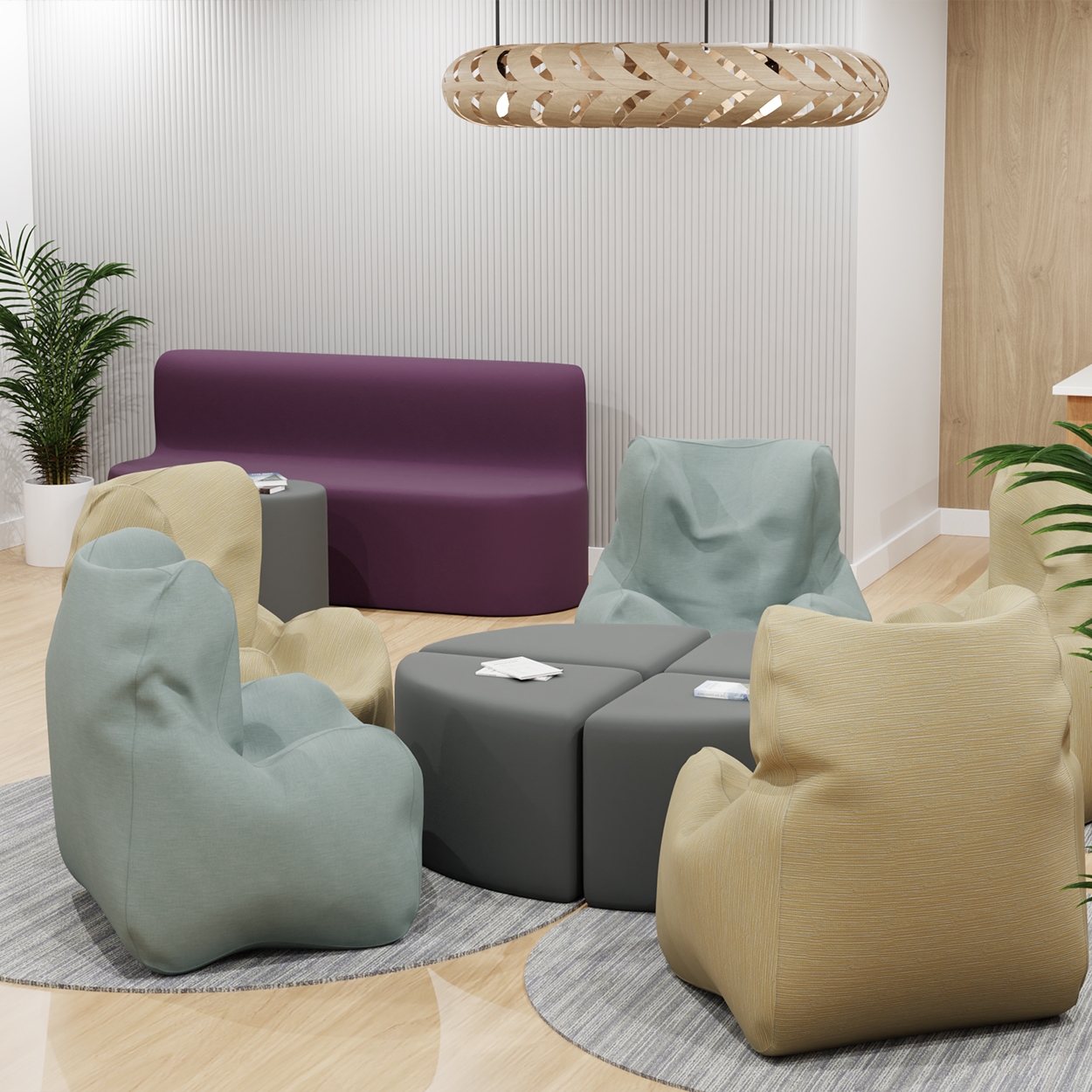
Custom design solutions available for bespoke needs. Learn More
My Cart:
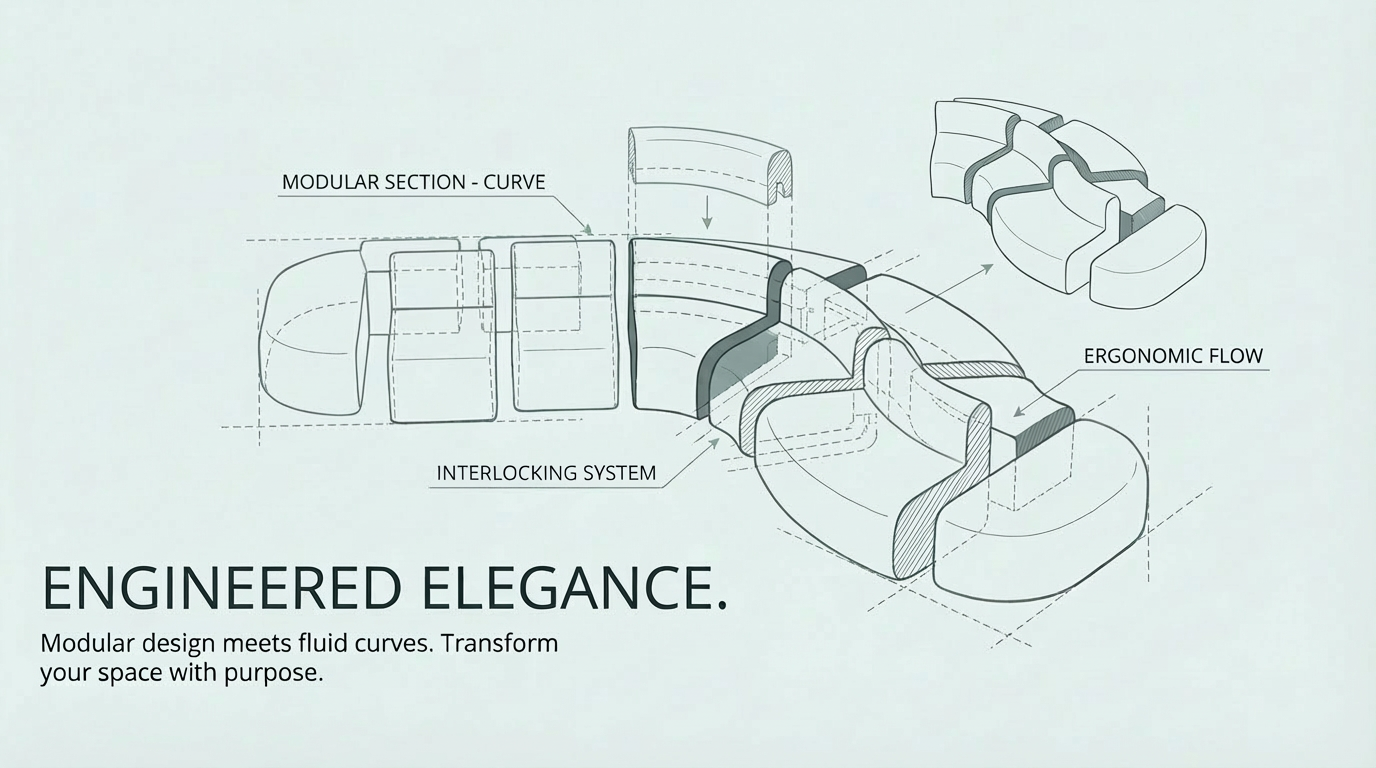
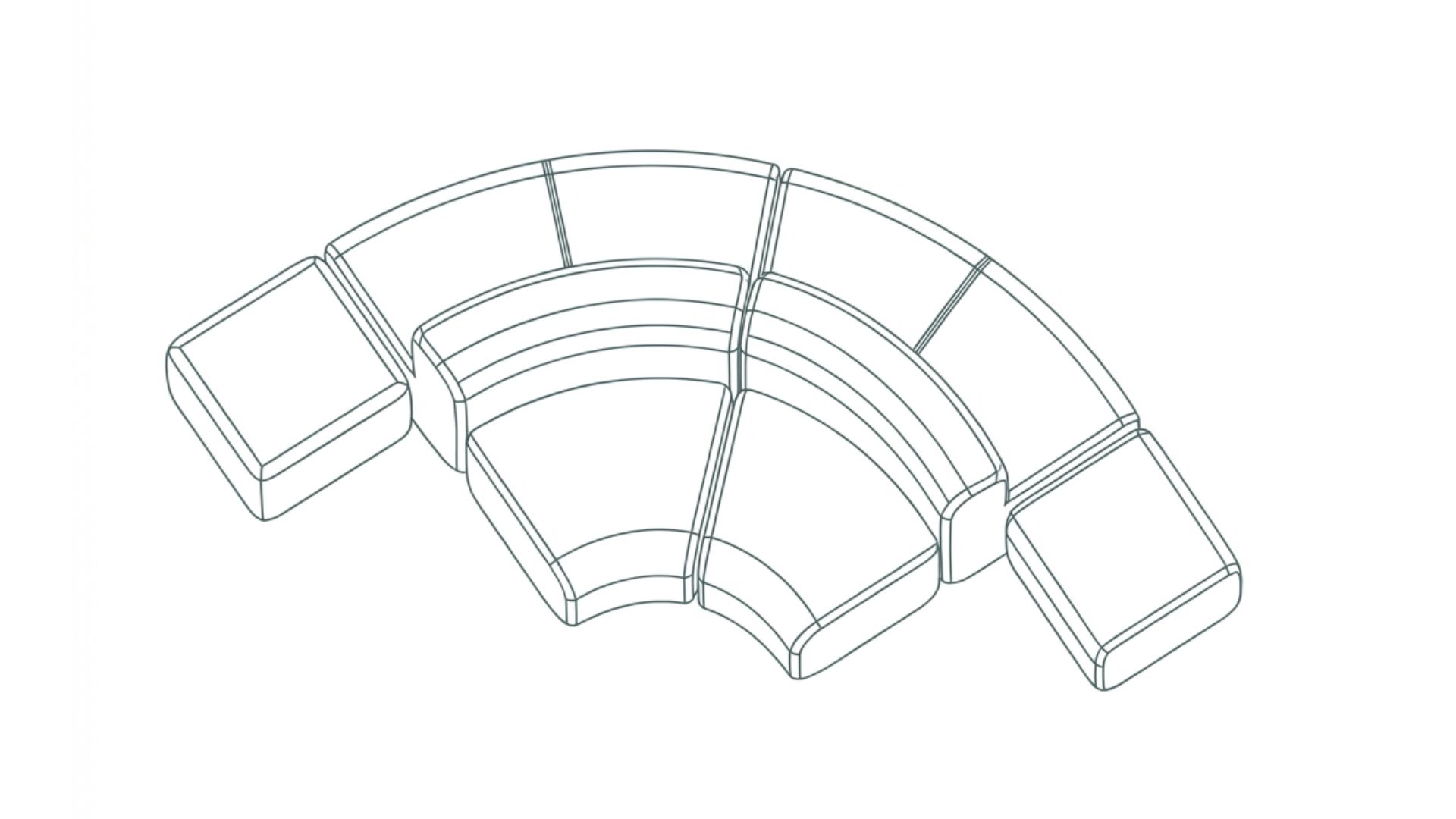
The landscape of anti-ligature furniture in mental health facilities and correctional institutions is undergoing a dramatic transformation in 2026. Modular design is emerging as the defining trend, reshaping how these critical environments balance safety, dignity, and operational flexibility.
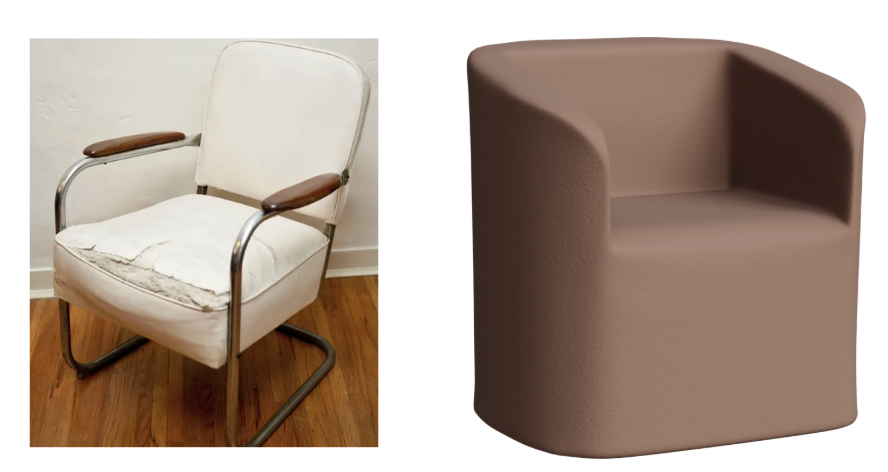
Anti-ligature furniture has always served a vital purpose: eliminating potential anchor points that could be used for self-harm while maintaining a therapeutic, humane environment. Traditional fixed installations met basic safety requirements but often fell short in adaptability and person-centred design.
Modular anti-ligature furniture represents the next generation, combining uncompromising safety standards with the flexibility modern behavioural health and correctional facilities demand.
Mental health facilities and correctional environments deal with constantly shifting patient and inmate populations. Modular anti-ligature furniture allows facilities to:
A room serving acute psychiatric patients today can be safely reconfigured for transitional care tomorrow using the same modular furniture components—maximising facility utilisation while maintaining safety protocols.
Healthcare and correctional facilities face intense budget pressures while maintaining critical safety standards. Modular anti-ligature systems deliver:
Rather than purchasing entirely new furniture suites for each unit type, facilities invest in modular components that serve multiple purposes across the lifespan of the institution.
Regulatory requirements for mental health and correctional facilities continue evolving. In 2026, modular anti-ligature furniture provides crucial compliance flexibility:
When standards shift, facilities with modular systems can update specific components rather than facing costly full replacements.
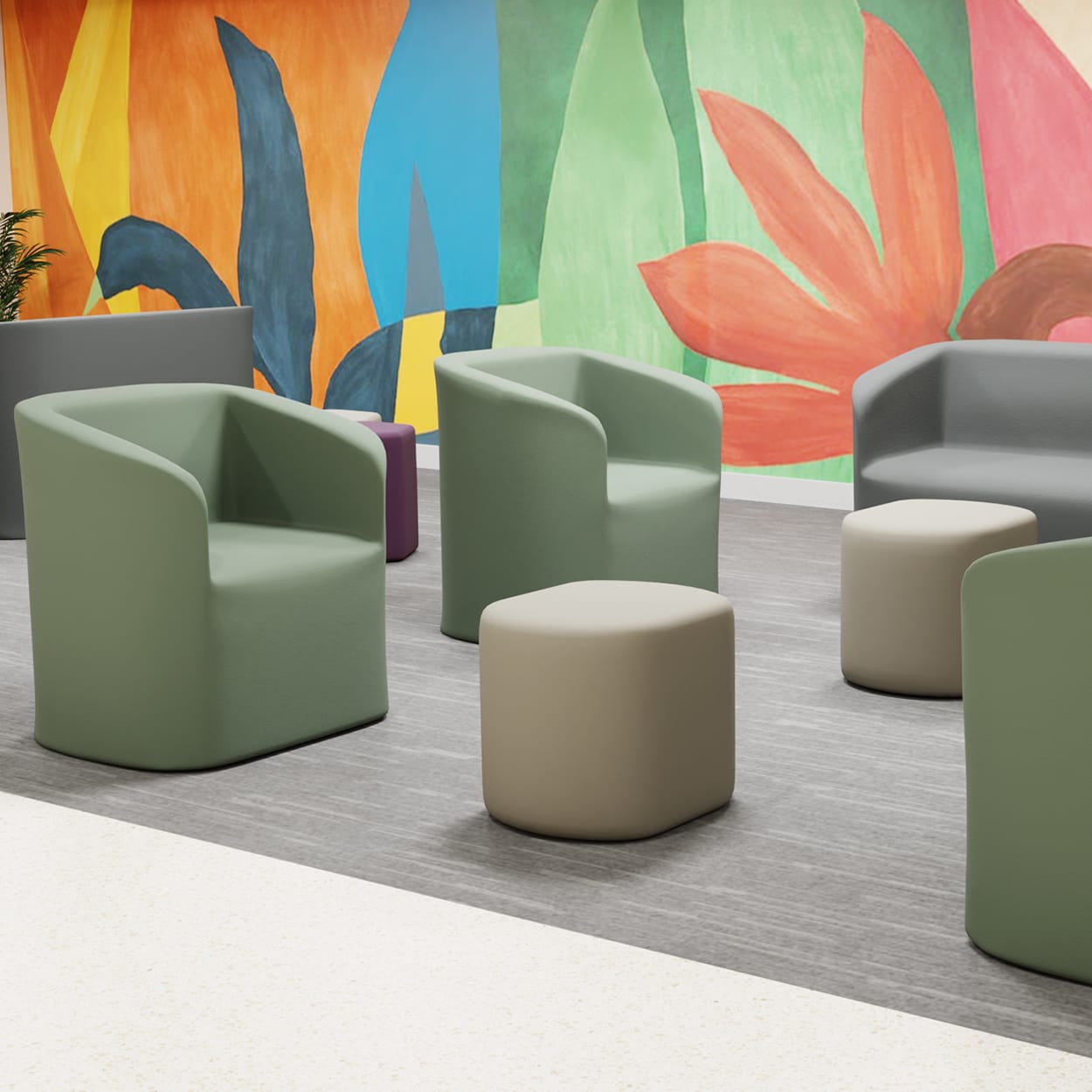
Modern mental health care emphasises trauma-informed approaches and therapeutic environments. Modular anti-ligature furniture supports this philosophy by:
The ability to configure furniture to feel less institutional directly supports patient recovery outcomes and reduces the punitive atmosphere in correctional settings.
Advanced materials are revolutionising anti-ligature design: Abecca® has created its propriety LimberShield® technology
LimberShield® enables modular components that meet stringent safety requirements while creating more therapeutic environments.
Modular systems now offer specialised components for specific environments:
Acute Psychiatric Units: Maximum safety features with zero anchor points and continuous surface designs
Residential Mental Health: Lower-profile safety features maintaining homelike appearance while preventing ligature risks
Correctional Mental Health: Dual compliance meeting both correctional security and mental health treatment standards
Crisis Stabilisation: Rapidly deployable configurations for de-escalation spaces and emergency holds
Step-Down Units: Graduated safety features supporting recovery progression
This specialisation means facilities aren’t limited to one-size-fits-all solutions but can configure environments precisely matching patient needs and security requirements.
2026’s modular anti-ligature furniture incorporates evidence-based colour theory:
Colour-coded modular components can help staff quickly identify safety levels while creating therapeutic atmospheres for patients and inmates.
Before transitioning to modular anti-ligature furniture, facilities should evaluate:
This assessment identifies where modular systems deliver maximum value and safety improvement.
Critical evaluation criteria for anti-ligature modular furniture include:
In anti-ligature applications, certification and proven performance are non-negotiable—aesthetic flexibility cannot compromise safety.
Successful implementation requires preparation:
Modular systems only enhance safety when staff understand proper use, configuration, and maintenance procedures.
Quality modular anti-ligature furniture undergoes the same rigorous testing as all other installations. Tamper-proof and continuous surface designs ensure modular joints don’t create ligature risks. Third-party certification verifies safety performance regardless of configuration.
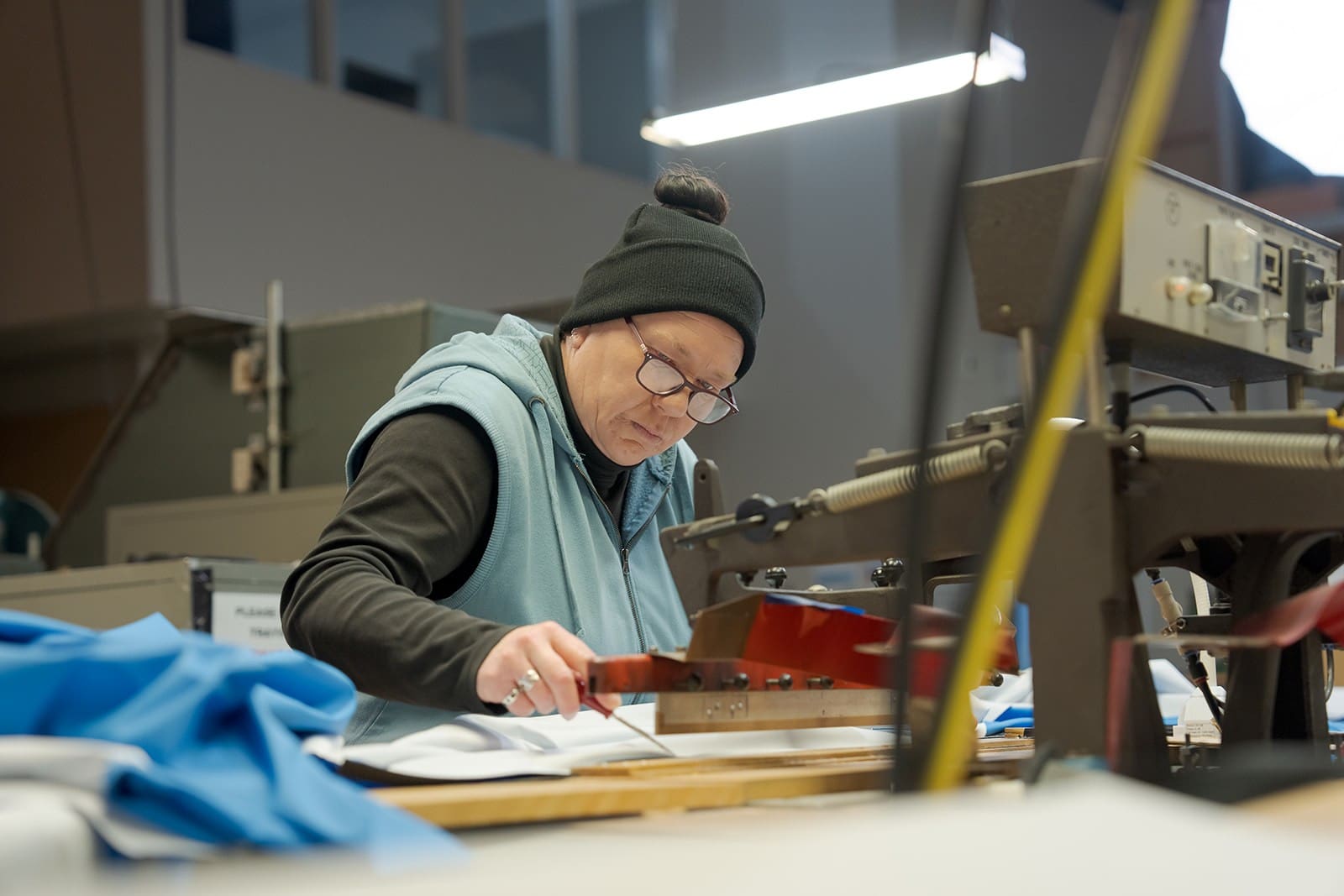
Abecca®‘s modular anti-ligature systems are engineered for extreme-use environments. High-performance materials exceed the durability of traditional welded units while allowing component replacement to extend overall lifespan.
Initial investment in modular systems typically matches or slightly exceeds traditional furniture costs. Savings accumulate through reduced replacement frequency, lower reconfiguration expenses, and extended useful life.
The modular revolution in anti-ligature furniture reflects broader shifts in how we approach mental health treatment and correctional management:
These shifts align with evidence-based practices in trauma care, progressive corrections philosophy, and person centred treatment approaches.
Modular anti-ligature furniture represents the future of safety design in mental health and correctional environments. In 2026, facilities face increasing pressure to balance safety, therapeutic effectiveness, operational flexibility, and cost management. Modular systems address all four imperatives.
Whether you’re managing an acute psychiatric unit, residential mental health facility, correctional mental health wing, or crisis stabilisation centre, modular anti-ligature solutions offer adaptability that traditional fixed installations cannot match.
The question isn’t whether to embrace modular design, but how quickly your facility can leverage its benefits for improved safety outcomes, better therapeutic environments, and enhanced operational efficiency. As treatment philosophies evolve and regulatory standards advance, the facilities that thrive will be those with infrastructure that evolves alongside them.
Modular anti-ligature furniture isn’t just about preventing harm today, it’s about building adaptable, dignified, therapeutic environments that support recovery, rehabilitation, and safety for years to come. In behavioural health and corrections, that investment has never been more critical.
Share this Article