Custom design solutions available for bespoke needs. Learn More
My Cart:
Introduction
For decades, safety, anti-ligature furniture has been defined by permanence. Fixed configurations, static layouts, and unchanging spatial arrangements have been accepted as necessary characteristics of furniture designed for security and protection.
What if this fundamental assumption is wrong?
What if the static nature of traditional safety furniture limits rather than enhances its protective capabilities?
What if true security could coexist with complete flexibility, allowing facilities to adapt their environments to changing needs while maintaining or even improving safety standards?
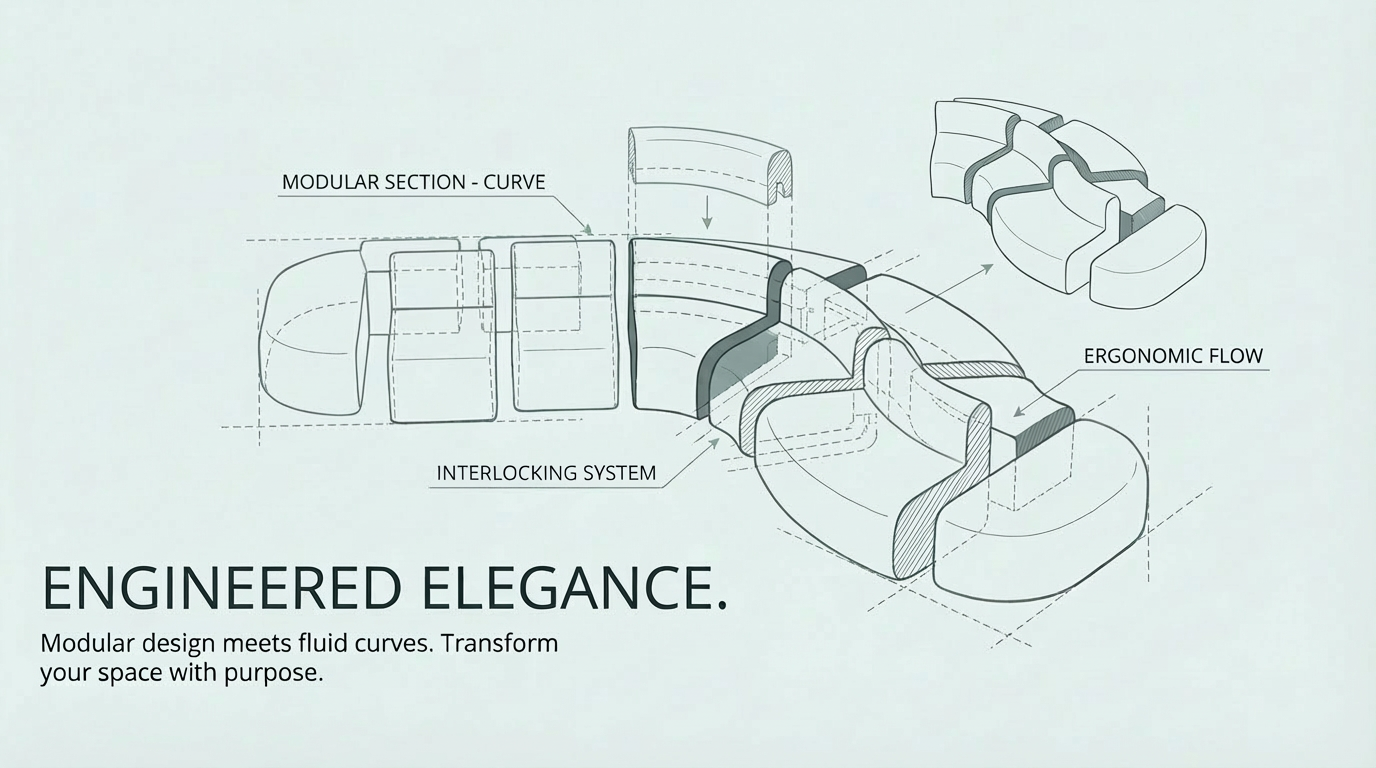
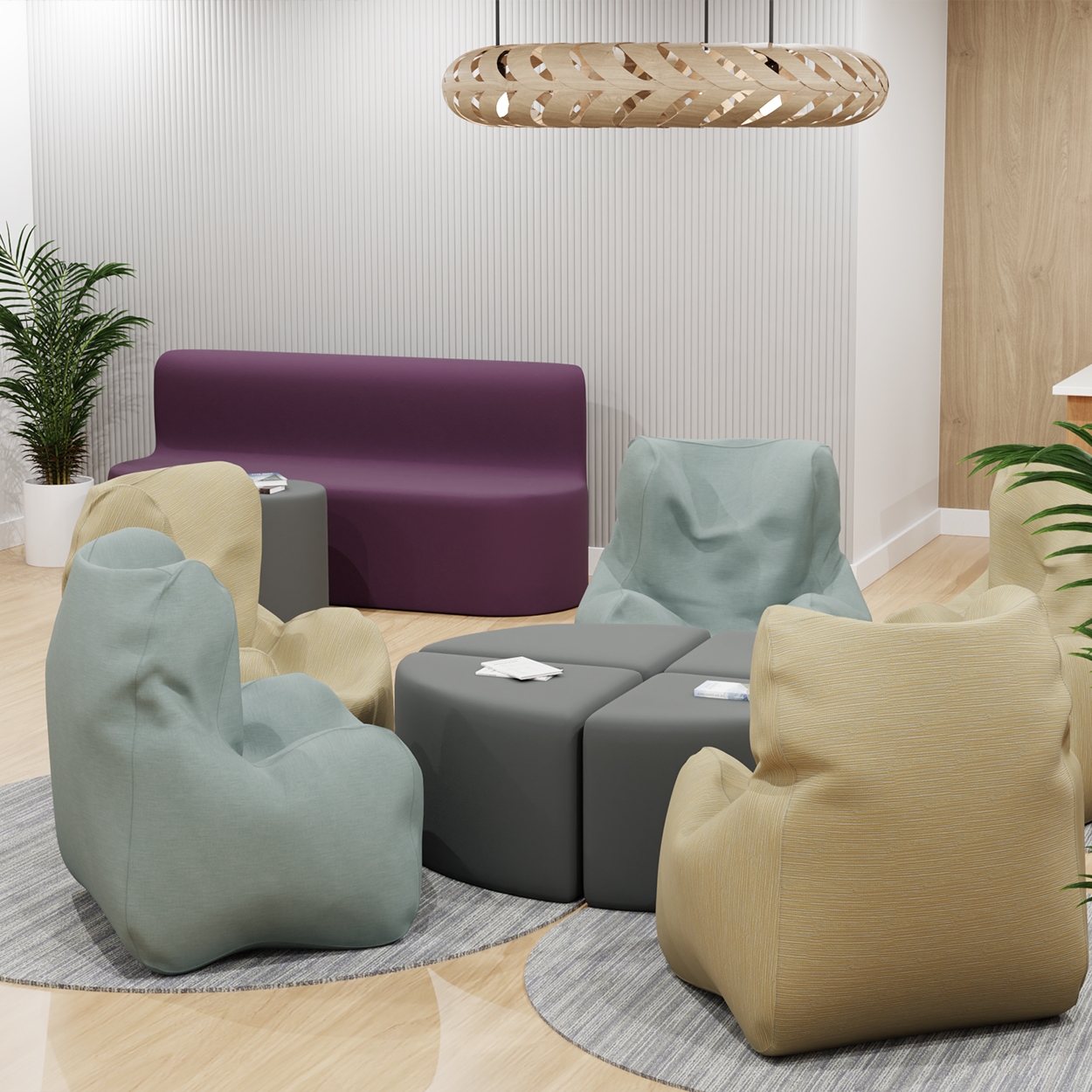
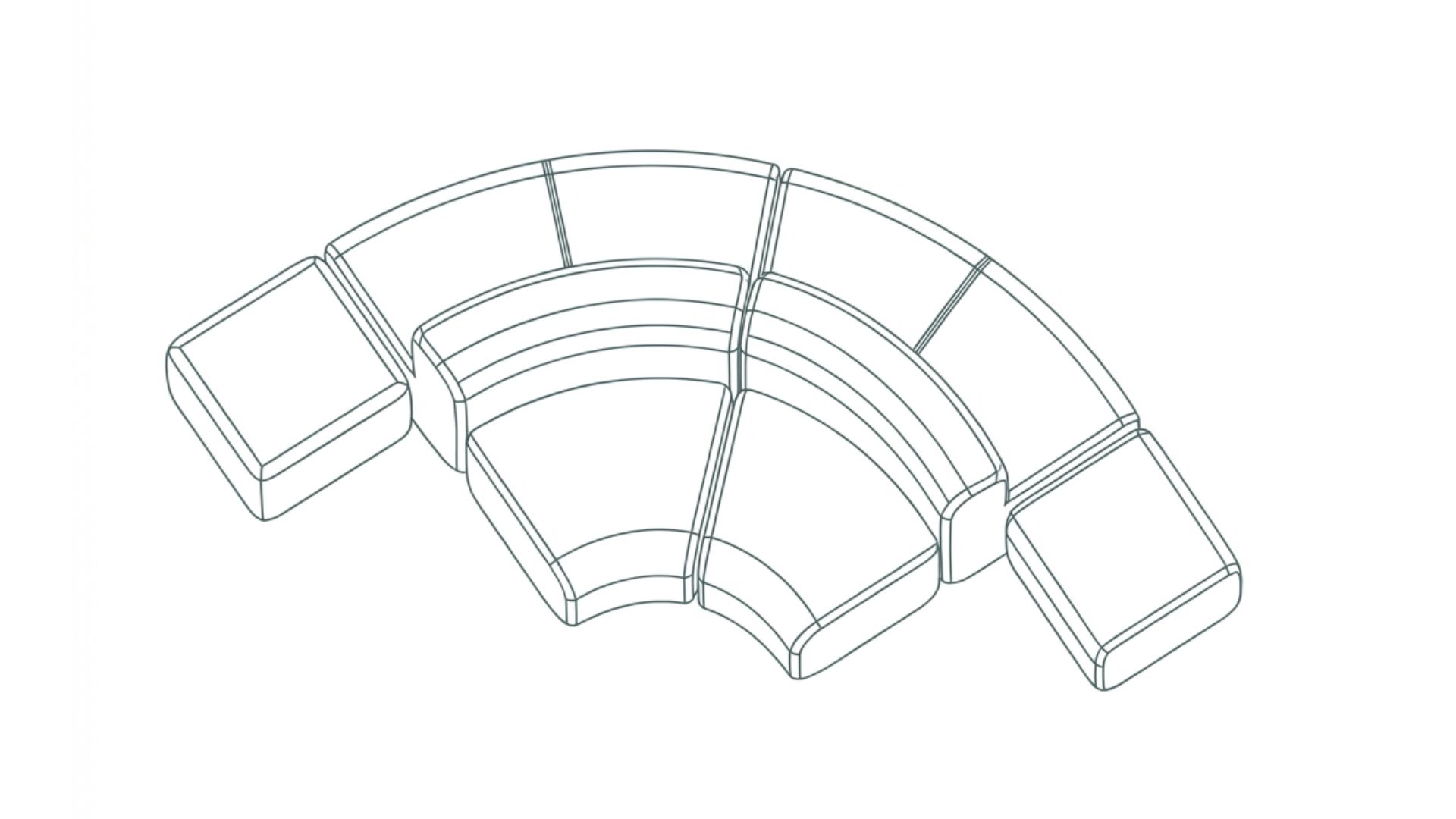
These questions instigated our latest R&D project: to engineer modular safety furniture systems that deliver uncompromised security within completely flexible configurations.
As facilities across Australia and New Zealand face increasing pressure to optimise space utilisation, accommodate diverse program requirements, and respond quickly to changing needs, the possibilities of furniture design become more expansive. The revolution in modular design isn’t just about furniture it’s about transforming how care environments can serve the people who depend on them.
Understanding Static and Modular: Complementary Solutions
Before exploring modular possibilities, it’s important to recognise that static safety furniture isn’t a limitation to overcome it’s a foundation to build upon.
The Enduring Value of Static Furniture
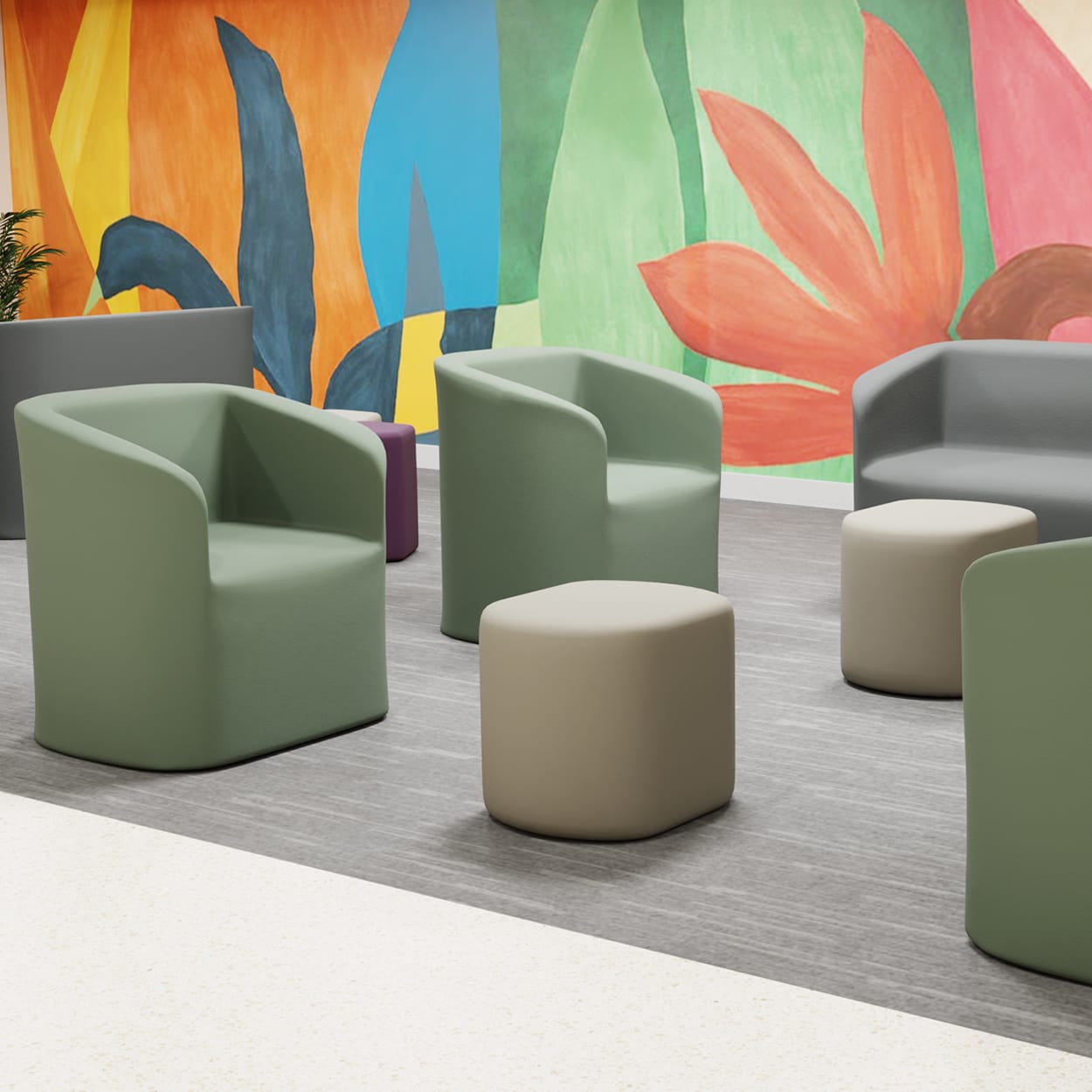
The traditional Armadillo® range has served facilities across Australia and New Zealand because permanence offers genuine advantages:
Static furniture isn’t outdated it’s purpose-built for environments where stability is the priority.
When Static Excels, When Modular Transforms
Different spaces have different needs:
Static furniture excels in:
Modular furniture transforms:
The Hybrid Approach
Most facilities will benefit from a thoughtful combination of both approaches. Static Armadillo® furniture provides the reliable foundation in permanent-use areas, while Armadillo® Modular unlocks flexibility where it matters most.
This isn’t about replacing what works it’s about expanding what’s possible.
For facilities that have invested in the traditional Armadillo® range, modular components integrate seamlessly, allowing you to enhance specific spaces without wholesale replacement. Your existing furniture investment remains valuable while you gain new capabilities where you need them most.
The Static Furniture Challenge
While static furniture serves essential functions, some facilities face challenges that permanence creates:
Space Utilisation Constraints – Fixed furniture configurations force facilities to choose single purpose layouts. A room arranged for group therapy provides poor individual counselling space.
Program Adaptation Difficulties – When therapeutic approaches evolve or new programs are introduced, fixed furniture can become an obstacle. Facilities sometimes continue suboptimal programs because their furniture can’t adapt.
Staffing Inefficiencies – Static furniture requires significant staff time for manual reconfiguration moving heavy pieces, rearranging layouts, ensuring safety standards are maintained. These reconfigurations often require multiple staff members and considerable time per change.
Space Underutilisation – Some facilities have rooms that serve single purposes because their furniture can’t adapt to multiple uses, limiting program diversity.
Future-Proofing Limitations – Fixed furniture purchases represent long-term commitments to specific spatial arrangements. Changes in regulations or program requirements sometimes require complete furniture replacement rather than simple reconfiguration.
These aren’t failures of static design they’re opportunities where modular solutions can add value alongside your existing furniture investments.
Addressing the Permanence Paradigm
The most common question about modular safety furniture is predictable: “Don’t moveable parts and connection points create ligature risks?”
This question reveals how deeply the permanence principle has shaped industry thinking. It assumes that flexibility requires compromising safety.
The engineering breakthrough isn’t that we’ve accepted ligature risk, it’s that we’ve eliminated it across all configurations.
Traditional safety furniture addresses security in a single, permanent configuration. Modular safety furniture must address security in every possible configuration. This requires more rigorous engineering, not less. Every interface, every possible arrangement must meet anti-ligature standards independently and in combination.
This elevated engineering standard is what makes true modular safety furniture so rare and so valuable.
Armadillo® Modular applies the same uncompromising safety standards as our traditional range but extends them across infinite configurations. The result is furniture that’s as safe in motion as it is at rest.
Engineering Modular Security: Technical Innovations
Creating truly modular safety furniture required solving engineering challenges in safety applications:
Structural Integrity Across Configurations – Each modular component must maintain structural integrity whether used independently or as part of larger configurations, ensuring consistent strength and stability regardless of arrangement.
Surface Continuity – Modular systems must maintain seamless LimberShield® surface integrity across all possible configurations. Connecting areas cannot create ligature points or surface discontinuities in any arrangement.
Tamper-Resistant Flexibility – The modular system must be completely secure against unauthorised modification while remaining easily adjustable by all staff, no tools, no specialised training, no security compromises.
These innovations extend Armadillo®‘s proven safety engineering into dynamic applications, ensuring the same protection you’ve trusted in static installations.
The Transformation Impact
Modular safety furniture transforms how facilities can utilise their physical environments:
Multi-Purpose Room Capabilities – Single rooms can serve multiple functions throughout the day. Morning group therapy sessions can transition to afternoon educational programs and evening recreation activities all in the same space.
Population-Responsive Arrangements – Furniture arrangements adapt to actual population needs rather than forcing programs to fit predetermined layouts. Low census periods enable intimate arrangements; high census periods support larger group configurations.
Operational Excellence – Quick, easy reconfiguration reduces time staff spend on environmental management. Configuration changes that previously required 30-45 minutes can be completed in 5-10 minutes, freeing staff time for direct patient care.
Future Change Accommodation – Regulatory changes, new therapeutic models, or evolving population needs can be addressed through reconfiguration rather than replacement, future-proofing furniture investments.
Transformative Possibilities
Preliminary testing has demonstrated remarkable results:
Modular design doesn’t just improve flexibility it enhances safety outcomes by creating more engaging, adaptable environments.
Economic Impact: Understanding Total Value
Modular systems represent a different economic model from traditional furniture investments:
Key Economic Benefits:
For facilities with existing Armadillo® installations, modular components can be added strategically to high value spaces, allowing you to gain flexibility benefits without replacing furniture that’s still serving its purpose effectively.
Implementation Considerations
Facilities considering modular systems should understand the transition requirements:
Staff Training – Training focuses not just on reconfiguration mechanics but on spatial optimisation strategies. The learning curve is minimal if your staff can arrange chairs for a meeting, they can configure modular systems.
Program Planning Evolution – Modular systems enable program planning approaches that weren’t previously feasible, including overlapping program schedules and adaptive management.
Organisational Readiness – Successful implementation requires organisational readiness for change management, staff development, and operational evolution.
Integration with Existing Furniture – Armadillo® Modular is designed to work alongside your existing Armadillo® installations. You can introduce modular components in specific rooms while maintaining static furniture where it serves you well.
The Modular Revelation
What we’ve shared represents just the foundation of what’s possible with modular safety furniture design. In 2026, we’ll reveal the complete Armadillo® Modular Collection engineering breakthroughs that will transform how the industry thinks about safety, flexibility, and operational excellence.
The questions that began this revolution, whether safety and flexibility can coexist, whether modular design can enhance rather than compromise security, whether adaptive furniture can improve operational efficiency have definitive answers. Those answers will reshape safety furniture for decades to come.
For facilities that have trusted Armadillo® furniture, this isn’t a departure from what you know it’s an evolution of the same engineering excellence and safety commitment you’ve relied on, now applied to dynamic environments.
Conclusion
The revolution in modular design represents more than furniture innovation it’s a paradigm shift that recognises adaptability as a safety enhancement rather than a security compromise.
Static furniture will always have its place in care environments. Permanence offers real value in the right applications. But alongside that foundation, modular systems open new possibilities for facilities facing the challenge of doing more with existing space, adapting to evolving therapeutic models, and responding to changing needs.
This isn’t about choosing between static and modular it’s about having both tools available and knowing when each serves you best.
The future belongs to environments that adapt to human needs rather than forcing humans to adapt to environmental limitations. Armadillo® Modular makes this future possible, practical, and profitable while working alongside the Armadillo® range you already trust.
The revolution begins in 2026.
Will you help lead it, or follow where others have gone?
Share this Article